I think this reading was very interesting and engaging. There were a lot of concepts that I agreed with, understood, and felt at some point in my academic career, but had never really thought about or put into words. The injection of adolescent development (in the form of how students think) was a real high point of this chapter for me. The examples of students thinking that people didn't know as much, or weren't as smart, in the past hit home for me because I can remember myself thinking similarly. It makes sense that as you grow up you can have better grasps on these sort of concepts, although I wish the text was more specific on how to help students get over these misconceptions.
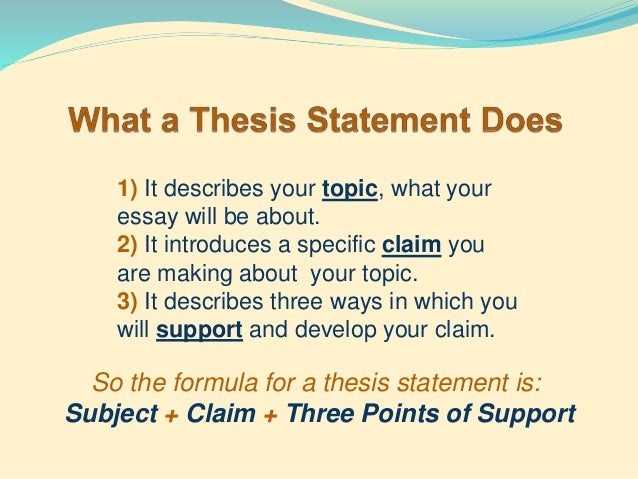
Near the end of the chapter, one specific part confused me. On page 68 there is a paragraph on how teaching a larger scale framework of events and then breaking it down into smaller, more in-depth chunks is useful in teaching history in a way that is more than just facts thrown together. I had to read this section multiple times to get to the core of what Lee was trying to say. Being able to see something as a full picture, then adding specifics to it is often easier than looking at specifics and trying to gain a full perspective. It made me think of how when writing an essay you should state your thesis and then your supporting arguments, not the other way around. I think this method is useful, although perhaps not applicable on a lot of topics. I think that there are some things that should be taught chronologically rather than in groupings; for example, learning US history by moving from topic to topic rather than looking at migration patterns, racial issues, politics, etc. makes more sense to me. However, I think that this would be something useful as an end of the year type of project, maybe.
https://www.slideshare.net/FaHadHassanNooR/narrowing-thesis-statement

No comments:
Post a Comment